


Sunny Side Up by Adrian Leighton
Misty mornings and shortening days inevitably lead us to consider the impending winter. To aid us, Christmas stuff and mince pies already fill the shop shelves. Around us, also, the living world that shares this earth with us is responding to the change of season.
I took a walk, the other day, across the meadow that leads beside the brook to the bridge below Bunny Hill. Beside the path, half-hidden in the now rejuvenated grass, was a harbinger of Autumn – the seasonal flowering of fungi. Hidden beneath the earth engaging in a whole wonder world of communication, transportation, recycling and nutrition, with not a little chemical warfare and healing weaves the fungal mycellial network sustaining all that grows. But for a few weeks mostly in the Autumn this organism bursts into the open in a mysterious spectacular flowering to disperse its spores.
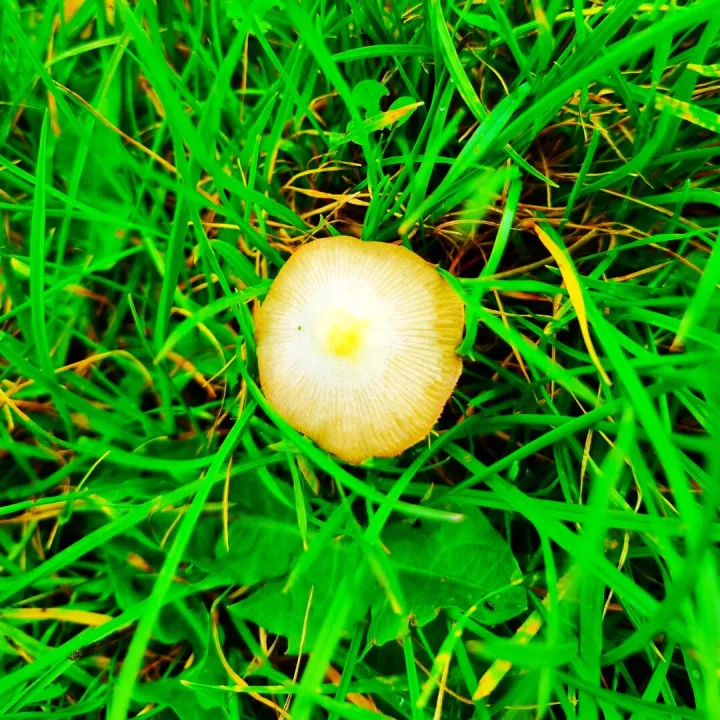
As I gave attention, to what was , my first sighting of the season, I identified flowering fruit as that of the Bolbitius titubans, better known as Yellow Fieldcap or more interestingly as “Sunny Side Up”. This latter name has been earned because the cap looks somewhat like a egg cooked with a similar names. Although not toxic, it unfortunately, unlike its namesake, is not considered good to eat. It is a fungi found throughout the world except Antarctica.
Yellow Fieldcap
In sighting my first of the season, I was spurred on, when reaching the canal, to cross the lock into Turnpike Fields where 15 different species have been recorded in recent years. Although still early in the season, I rummaged around , in the best places to look. This is the margins of the fields beneath the trees in the tree litter.Some species of fungi have a unique partnership with certain trees. It is called a symbiotic relationship where each provides the other with what it needs to thrive, To my delight I found a stiking Xeromus rubellus, also known as a Ruby Bolet. I found it in the leaves beneath an Oak tree, which together with the Beech, it favours.The red colour is most striking and often in nature this indicates that it is toxic. This beauty is not so but it is not advisable, like other mushrooms, to eat as it tastes like soap (or so I am told)
Ruby Bolet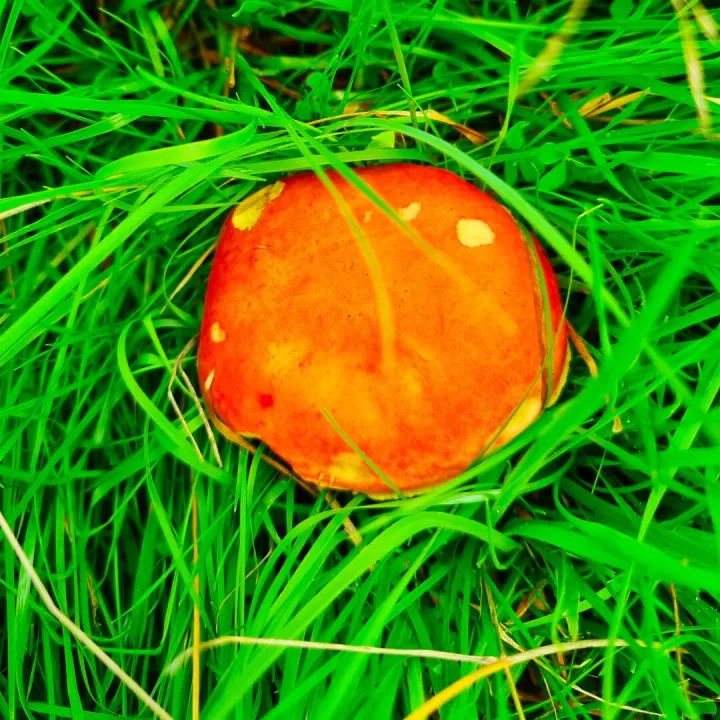
Also on show was what is known as a Bracket fungus, which is attached to the base of the tree. The one I saw was Inonotus dryadeus., known as Oak Bracket. It is not a pretty sight but part of the aging process of the tree, as it recycles nutrients from decaying parts.
This taster of the Autumn spectacular whetted my appetite for what is still to come. I will be keeping my eyes open for this once a year show of the nature’s weird and wonderful. Fungi are notoriously difficult to identify, if you find one and want to know more, take a photo and send it to me at adrianleighton@btinternet.com.
Click on Images to enlarge
Oak Bracket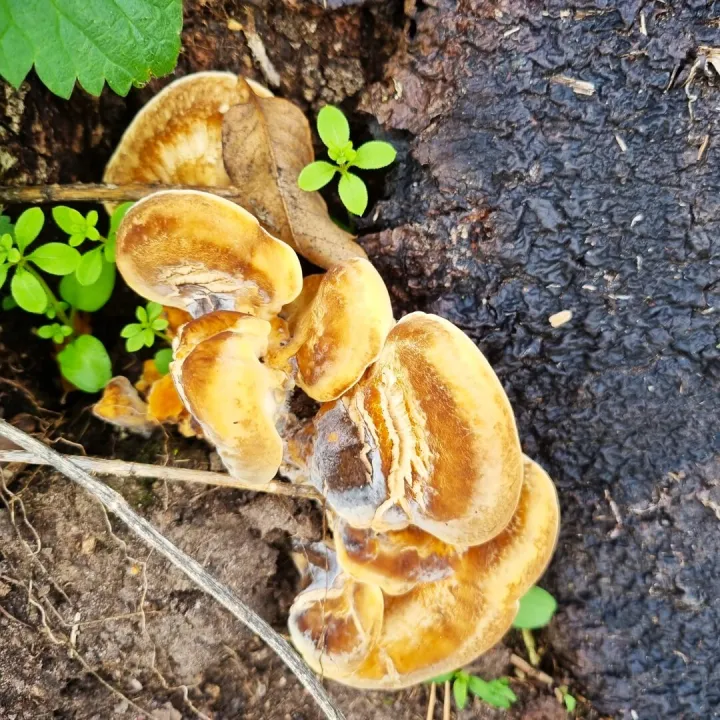


Get In Touch
AudlemOnline is powered by our active community.
Please send us your news and views using the button below:
Email: editor@audlem.org